
Introduction
Evidence-Based Practice (EBP) remains essential in shaping modern nursing education, ensuring that students and future nurses make clinical decisions based on the best available research, patient needs, and professional expertise. As healthcare rapidly transforms, nursing students in 2025 must stay informed about new studies, updated guidelines, and emerging clinical trends that support safer, high-quality patient care.
With the growth of digital health technologies, rising chronic illnesses, and continuing public health challenges, the need for nurses who understand EBP principles has never been greater. Mastery of EBP not only strengthens clinical judgment but also enhances patient safety, improves outcomes, and supports evidence-driven interventions in every healthcare setting.
This blog explores the Top Evidence-Based Practice Topics for Nursing Students in 2025, offering a clear guide for choosing impactful research ideas for assignments, capstone projects, PICOT questions, and clinical applications. Whether you are preparing for academic work or aiming to improve your practical skills, these EBP topics will help you stay relevant, knowledgeable, and well-prepared for the future of nursing.
1. Reducing Hospital Readmissions Through Improved Discharge Planning
Hospital readmissions remain one of the most significant indicators of healthcare quality. When patients return to the hospital within 30 days, it often signals gaps in education, communication, follow-up, or self-management. In 2025, nursing research emphasizes the importance of strengthening discharge processes to prevent avoidable readmissions.
One of the most effective EBP strategies includes structured discharge education, where nurses provide patients with clear, understandable, and personalized instructions before leaving the hospital. This often includes medication guidance, symptom monitoring, follow-up appointment schedules, and self-care instructions for chronic diseases.
Another crucial component is post-discharge follow-up calls. Nurses contact patients within 24–72 hours to check on their progress, clarify instructions, and address new symptoms early. These follow-up interactions significantly reduce confusion and help patients stay on track with care plans.
Medication reconciliation has also become essential. This involves reviewing all medications the patient is taking—prescriptions, over-the-counter drugs, and supplements—to ensure accuracy, prevent duplications, and identify harmful drug interactions.
Finally, empowering patients and caregivers through education builds confidence, improves adherence, and reduces complications. Nursing students exploring this topic can investigate how enhanced discharge protocols reduce 30-day readmission rates for chronic conditions such as heart failure, COPD, hypertension, and diabetes.
2. The Impact of Nurse-Patient Ratios on Patient Safety
Safe nurse staffing ratios remain one of the most researched and debated healthcare issues globally. As patient acuity rises and healthcare demands grow, nurse burnout and turnover have intensified, making staffing levels a critical factor in quality care.
Studies consistently link nurse-patient ratios with medication error rates, showing that overworked nurses are more likely to miss doses, administer incorrect medications, or overlook allergies. Higher ratios also correlate with increased patient mortality, particularly in units with critically ill patients.
Length of stay (LOS) is another important measure. Hospitals with sufficient staffing often report shorter stays, as patients receive timely monitoring, early interventions, and continuous care. Additionally, patient satisfaction—a vital component of hospital performance—tends to improve when nurses have adequate time to communicate and provide holistic care.
This EBP topic is ideal for students interested in health policy, hospital administration, and quality improvement initiatives. It provides a strong foundation for PICOT questions, literature reviews, and capstone projects focused on healthcare safety.
3. Evidence-Based Strategies to Reduce Nursing Burnout
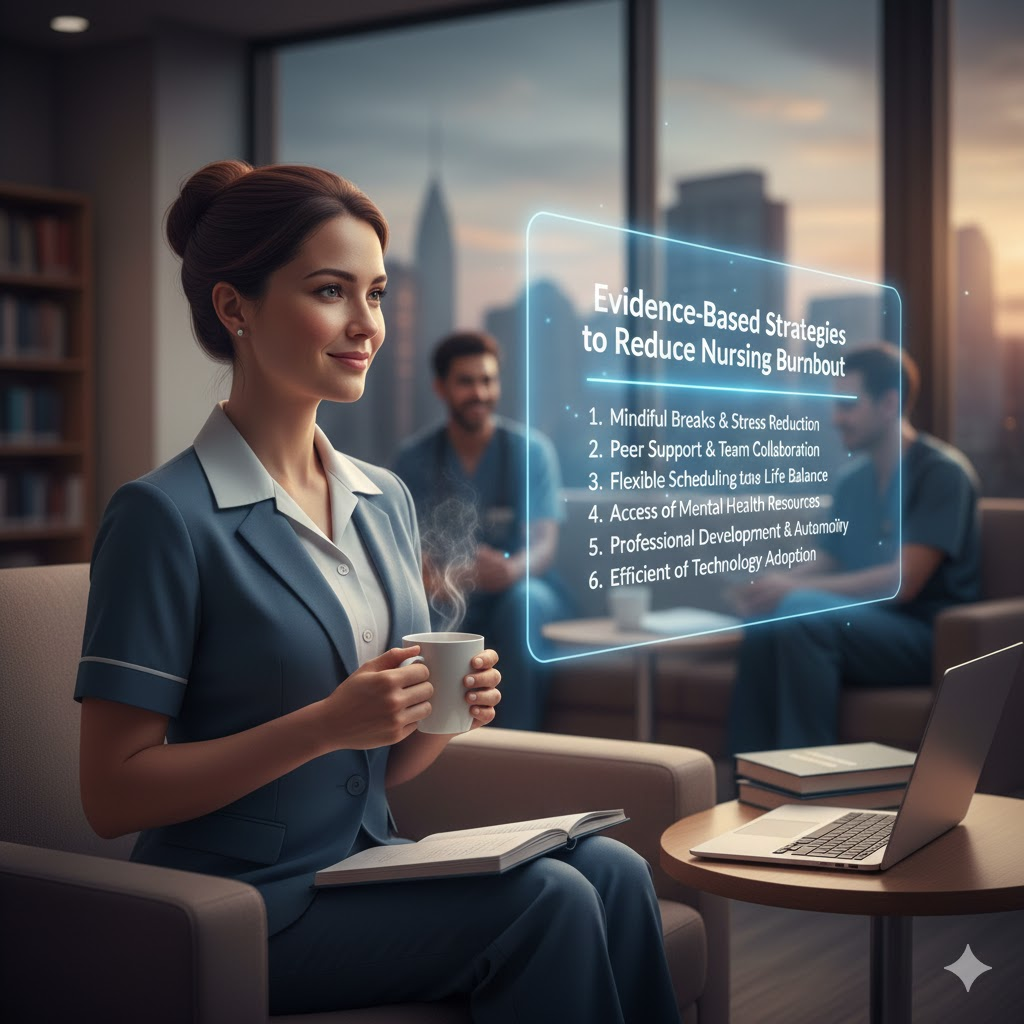
Nursing burnout has reached critical levels worldwide, affecting patient outcomes, staff morale, and organizational performance. EBP-driven strategies aim to reduce physical, emotional, and mental exhaustion among nurses.
Interventions such as mindfulness training and resilience workshops have gained popularity, helping nurses manage stress, regulate emotions, and build coping skills. These programs have shown measurable improvements in job satisfaction and emotional well-being.
Shift scheduling improvements—including flexible schedules, shorter night shifts, and adequate rest periods—help promote work-life balance and reduce fatigue. Meanwhile, supportive leadership and team-based care models contribute to a positive work environment where nurses feel valued and empowered.
Students researching burnout can evaluate which interventions—organizational, psychological, or structural—are most effective in reducing stress and improving clinical performance in various healthcare settings.
4. Preventing Hospital-Acquired Infections (HAIs)
Despite technological advances, Hospital-Acquired Infections remain a major global health challenge. Nurses play an essential role in preventing infections and ensuring patient safety through evidence-based interventions.
Improving hand hygiene compliance continues to be the most effective strategy, supported by protocols, reminders, and compliance monitoring systems. Ensuring proper sterile technique, especially during invasive procedures, minimizes the risk of contamination.
Catheter care bundles, which involve strict guidelines for insertion, maintenance, and timely removal of catheters, significantly reduce catheter-associated urinary tract infections (CAUTIs). Antimicrobial stewardship also helps prevent antibiotic resistance by promoting the responsible use of antibiotics.
This topic bridges microbiology, pharmacology, and clinical practice, making it an excellent choice for students who want to address both theoretical and practical nursing aspects.
5. Improving Patient Outcomes Using Telehealth Nursing
Telehealth remains a key component of healthcare delivery in 2025, making it a valuable EBP topic for nursing students. Nurses play a vital role in delivering remote patient education, conducting virtual assessments, and monitoring chronic conditions from a distance.
EBP research explores the effectiveness of patient education via virtual visits, demonstrating how online consultations improve access to care, especially for rural and underserved populations. Remote monitoring technologies allow nurses to track vital signs, blood sugar levels, blood pressure, and symptoms in real time, reducing hospital visits and improving chronic disease management.
Students can also explore tele-triage, where nurses determine the urgency of care through digital platforms, ensuring patients receive timely intervention. Another key research area includes identifying and addressing barriers to digital health, such as limited internet access, low digital literacy, and concerns about privacy.
This topic is perfect for nursing students interested in technology-driven care models and digital health innovations.
6. Pain Management and Non-Pharmacological Interventions
As the world continues to grapple with the opioid crisis, nurses are increasingly utilizing non-pharmacological interventions to manage pain effectively and safely.
EBP strategies now emphasize alternatives such as guided breathing exercises, heat and cold therapy, cognitive-behavioral therapy, and exercise therapy, particularly for musculoskeletal pain. These methods reduce dependence on opioid medications while promoting patient comfort and long-term health.
Students can compare the effectiveness of pharmacological versus non-pharmacological treatments, exploring which interventions yield better outcomes for specific patient populations.
7. Patient Education and Health Literacy Improvement
Health literacy plays a major role in determining how well patients adhere to treatment plans, manage chronic conditions, and make informed health decisions. Research in 2025 focuses on simplifying communication and creating accessible educational materials.
EBP innovations include the use of visual aids, simple language, multilingual resources, and culturally sensitive materials. Digital tools such as mobile apps and interactive videos also support improved patient understanding.
This topic is ideal for students interested in community health, communication strategies, and patient-centered care.
8. Fall Prevention in Elderly Patients
Falls are among the most significant safety concerns in healthcare, particularly in geriatric settings. As patients age, their risk of injury increases due to decreased mobility, impaired vision, chronic illnesses, and medication side effects. For nursing professionals, preventing falls is one of the most critical aspects of patient safety—and one of the most frequently researched Evidence-Based Practice (EBP) topics.
Effective fall prevention strategies include comprehensive gait assessments, which allow nurses to identify mobility limitations early. By observing a patient’s walking pattern, balance, and strength, nurses can implement targeted interventions such as assistive devices, strengthening exercises, or referrals to physiotherapy. In addition, the use of bed alarms has become a popular evidence-based tool. These alarms notify staff when high-risk patients attempt to stand or walk unassisted, reducing the likelihood of unsupervised movement.
Hourly rounding is another proven strategy that significantly decreases fall risk. By checking on patients routinely—ensuring their needs for pain relief, toileting, hydration, or repositioning are met—nurses can reduce unnecessary movement and enhance patient comfort. Routine medication review also plays a vital role because many medications, such as sedatives, antihypertensives, and diuretics, increase fall risk. Collaborating with pharmacists and physicians to modify or adjust risky medications can greatly enhance patient safety.
Finally, environmental safety checks help ensure that patient rooms and hallways are free of clutter, have adequate lighting, and contain stable handrails. Together, these interventions form a strong EBP foundation for geriatric and clinical nursing students exploring fall prevention.
9. Managing Diabetes Through Nurse-Led Education Programs
Diabetes management is an essential focus area in community and primary care nursing. Nurses are at the forefront of diabetes education, making nurse-led interventions a key Evidence-Based Practice topic in 2025. These programs empower patients with the knowledge and skills needed for long-term self-management, ultimately improving health outcomes.
One primary component is diet and nutrition education, where nurses help patients understand carbohydrate control, portion management, healthy food choices, and the impact of diet on blood sugar levels. Another crucial element is glucose monitoring training, which teaches patients how to use glucometers, interpret readings, and respond appropriately to abnormal glucose levels.
Nurse-led programs also focus on lifestyle modifications, including exercise plans, stress management, weight control, and smoking cessation. These interventions are especially important because lifestyle-related factors heavily influence the progression of Type 2 diabetes.
In addition, routine education helps reduce diabetic complications such as neuropathy, retinopathy, cardiovascular disease, and kidney damage. By conducting regular follow-ups, offering culturally sensitive education, and providing emotional support, nurses play a significant role in improving long-term diabetic outcomes. This EBP topic is ideal for students interested in primary care, community health, or chronic disease management.
10. Improving Medication Administration Safety

Medication administration is one of the most vital responsibilities of nurses, but it also represents a major area of risk. Medication errors can lead to severe patient harm, increased hospital stay, or even death. Because of this, Improving Medication Administration Safety is a high-priority EBP topic in 2025.
A popular intervention is the implementation of barcode scanning systems, which ensure that the right patient receives the right medication, at the right dose, time, and route. This technology significantly reduces human error and enhances the accuracy of medication administration.
Double-checking high-risk medications, such as insulin, anticoagulants, and opioids, is another evidence-supported practice. This collaborative safety measure ensures that two qualified nurses verify the medication before administration, reducing the likelihood of dosing and timing errors.
The use of electronic medication administration records (eMAR) has also become standard in most hospitals. eMAR systems help track medication schedules, flag overdue doses, and provide alerts for drug interactions, helping nurses make safer decisions.
Furthermore, nurse training and simulation exercises are essential for building competence in medication administration. Simulation labs allow nursing students and professionals to practice in realistic scenarios without risking patient safety. For those interested in clinical safety or nursing informatics, this topic offers rich research opportunities.
11. Enhancing Maternal and Neonatal Outcomes Through EBP
Maternal and neonatal care remains a priority in global health, making this one of the most relevant EBP topics for nursing students. The focus today is on reducing maternal mortality, improving neonatal outcomes, and promoting safe childbirth practices.
Research in 2025 emphasizes the importance of prenatal education programs, which help mothers understand nutrition, pregnancy risk factors, signs of complications, and birth preparedness. These programs improve maternal self-efficacy and encourage timely health-seeking behavior.
EBP also supports practices that enhance breastfeeding outcomes, such as skin-to-skin contact, lactation counseling, and rooming-in practices. Breastfeeding promotes bonding, immunity, and long-term health benefits for both mother and child.
Another key area involves implementing safe labor and delivery protocols, such as limiting unnecessary interventions, promoting mobility during labor, and ensuring continuous fetal monitoring when needed. Students studying maternity nursing can explore how evidence-based interventions influence birth outcomes, patient satisfaction, and postnatal recovery.
12. Mental Health Nursing: Early Intervention Strategies
With rising rates of depression, anxiety, and trauma-related disorders, mental health nursing has become a crucial EBP domain. Early intervention strategies aim to identify symptoms quickly and provide effective support before conditions worsen.
One major focus is early screening, using validated tools to detect depression, anxiety, or suicidal ideation among patients of all ages. Nurses also incorporate trauma-informed care, which recognizes how past trauma affects present health and behavior. This approach fosters a safe, supportive environment for vulnerable patients.
Evidence-based suicide prevention protocols guide nurses on risk assessment, safety planning, and crisis intervention, reducing the risk of self-harm. Cognitive-behavioral interventions, including coping skills training and emotional regulation strategies, also help patients manage mental health challenges. This topic is ideal for students exploring psychiatric nursing.
13. Managing Hypertension in Primary Care Settings

Hypertension continues to be a leading contributor to heart disease and stroke. In primary care, nurses are essential for managing this chronic condition. Evidence-based strategies include lifestyle coaching, where nurses educate patients on sodium reduction, weight management, physical activity, and stress control.
Technology-driven interventions such as remote blood pressure monitoring help track patients’ readings at home and allow timely adjustments to treatment plans. Nurse-led clinics have also proven effective in improving blood pressure control and reducing complications.
Medication adherence programs—such as pill organizers, electronic reminders, and counseling—help reduce treatment resistance and improve outcomes. This topic suits students working in community or medical-surgical settings.
14. Wound Care and Pressure Injury Prevention
Wound care is one of the most practical and hands-on topics in nursing. Pressure injuries significantly affect patient outcomes, increasing the risk of infection and hospitalization. Evidence-based wound care includes the use of advanced dressings, such as hydrocolloids and foam dressings, which promote faster healing.
Turning schedules, typically every two hours, reduce pressure on vulnerable areas. Nutrition also plays a major role, as adequate protein and vitamin intake supports tissue repair. Finally, proper moisture management and skin hygiene help prevent breakdown, making this topic ideal for clinical nursing students
15. Integrating Artificial Intelligence (AI) in Nursing Care
AI is revolutionizing healthcare, offering new possibilities for nursing practice. Students can explore how AI-enabled clinical decision systems assist nurses in identifying patient deterioration early through predictive analytics. Virtual nursing assistants help monitor patients, support documentation, and guide clinical workflows.
However, this emerging topic also raises concerns regarding patient privacy, data security, and ethical practices, making it rich for research and academic discussion.
Final Thoughts: Why Evidence-Based Practice Still Matters in 2025
Evidence-Based Practice remains the foundation of high-quality nursing care. Choosing the right EBP topic allows students to contribute meaningfully to healthcare improvement, enhance critical thinking, and prepare for real-world clinical challenges. By focusing on relevant, high-impact areas such as fall prevention, diabetes management, mental health care, or AI integration, nursing students strengthen their academic work while supporting better patient outcomes.
FAQs
1. What are evidence-based practice (EBP) topics in nursing?
EBP topics are clinical issues or questions that can be investigated using current, high-quality research to improve patient outcomes and nursing practice.
2. Why are EBP topics important for nursing students?
They help students learn how to apply research findings to real-world patient care, improve critical thinking, and contribute to safer, more effective practice.
3. How do I choose a good EBP topic for 2025?
Choose a topic that:
- Addresses a current clinical problem
- Has sufficient recent research (2020–2025)
- Matches your interests and clinical placement experience
- Can reasonably be explored within your assignment’s scope
4. What makes a topic “evidence-based” in nursing?
A topic becomes evidence-based when it can be supported by peer-reviewed studies, clinical guidelines, systematic reviews, and credible healthcare data.
5. Are 2025 EBP topics different from previous years?
Yes. New technologies, updated guidelines, and emerging global health issues influence current EBP priorities—such as AI in nursing, telehealth, antimicrobial resistance, and mental-health interventions.
6. What are examples of top EBP topics for nursing students in 2025?
Popular topics include:
- Reducing hospital-acquired infections
- Improving nurse–patient communication using digital tools
- Best practices for managing chronic diseases like diabetes and hypertension
- AI-assisted clinical decision-making
- Strategies to reduce nurse burnout
- Enhancing medication safety in older adults
- Improving maternal and newborn outcomes
- Effective pain management alternatives to opioids
7. Can I use qualitative research for EBP projects?
Yes. Both qualitative and quantitative studies are acceptable as long as they contribute evidence that supports clinical decision-making.
8. How recent should my sources be?
Ideally within the last five years. For 2025 assignments, aim for research published between 2020–2025 unless referencing foundational theories or classic models.
9. Do EBP topics require a PICOT question?
Most nursing programs require PICOT (Population, Intervention, Comparison, Outcome, Time) to structure EBP questions, but some allow alternative frameworks depending on assignment instructions.
10. Is it okay to choose a topic that has been widely researched?
Yes—common topics are acceptable as long as you narrow them down. For example, instead of “pressure injuries,” focus on “the effectiveness of silicone dressings in preventing pressure injuries in immobile elderly patients.”
11. How much evidence do I need for an EBP project?
Most projects require 5–10 high-quality sources such as systematic reviews, clinical trials, or professional guidelines (CDC, WHO, ANA).
12. Can EBP topics be based on my clinical experience?
Absolutely. Many of the best topics arise from issues you observe in clinical settings, such as medication delays, fall risks, or communication gaps.
13. Are EBP topics suitable for group projects?
Yes. Topics like infection prevention, pain management, or patient education are excellent for collaborative EBP assignments.
14. What common mistakes should I avoid when selecting a topic?
Avoid topics that are too broad, lack recent research, are not clinically relevant, or are based on personal opinions rather than evidence.